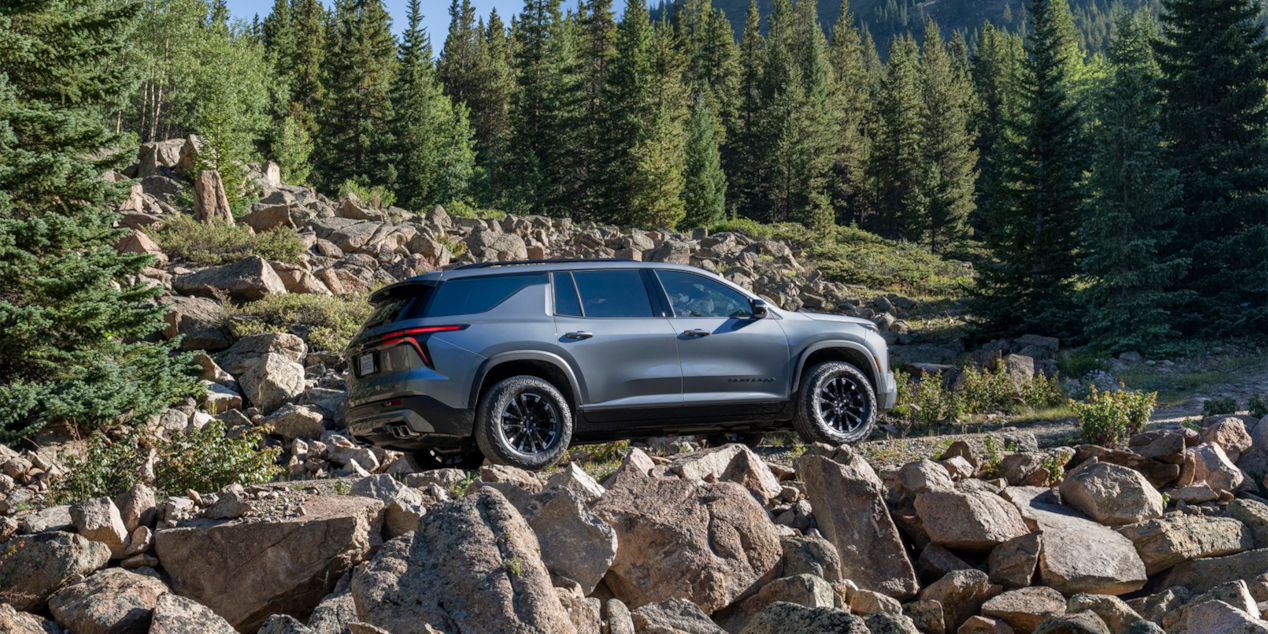





Electric vs. Gas: Which Vehicle Is Best For Me?
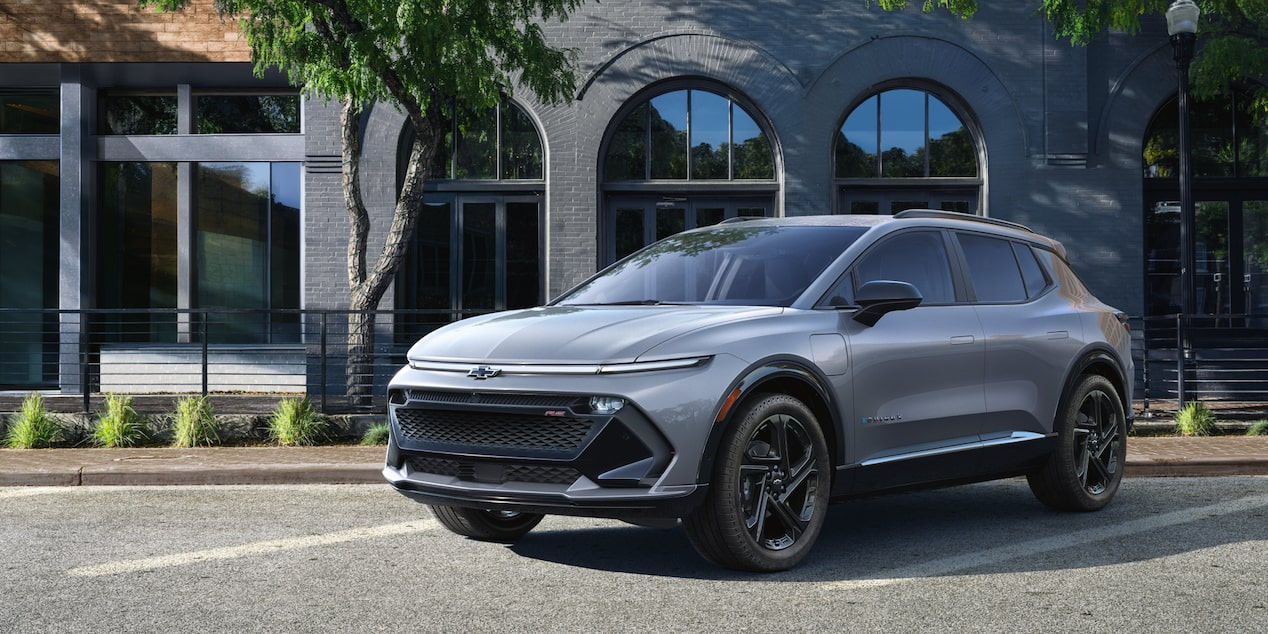
Electric Vehicles vs. Gas Vehicles: Which Is Best For Me?
If you're shopping for a new vehicle, one of the biggest decisions you'll make is whether to go electric or stick with traditional gas power. At Thomas Chevrolet, we understand that this choice can impact your daily life, budget, and even the environment. That’s why we’re breaking down the key differences between electric vehicles (EVs) and gas-powered vehicles, helping you make the smartest decision based on your lifestyle.
1. Fuel and Maintenance Costs
Electric Vehicles:
Electricity is significantly cheaper than gasoline on a per-mile basis.
EVs like the Chevrolet Bolt EV, Equinox EV, and Blazer EV have fewer moving parts, meaning lower maintenance costs.
No oil changes, spark plugs, or timing belts.
Gas Vehicles:
Often priced lower upfront, and refueling stations are easy to find.
However, over time, the costs of gasoline and regular maintenance (like oil changes, transmission services, etc.) can add up quickly.
2. Performance and Driving Experience
Electric Vehicles:
Instant torque provides quick acceleration and a quiet, smooth ride.
The Chevy Equinox EV and Blazer EV are perfect examples of how EVs deliver style, performance, and cutting-edge tech.
Regenerative braking adds efficiency and control, ideal for urban traffic or winding roads.
Gas Vehicles:
Models like the Chevrolet Silverado or Chevrolet Tahoe are still the go-to for high towing capacity and extended range.
Long road trips and rugged utility tasks remain a strong suit for traditional engines.
3. Range and Charging
Electric Vehicles:
Chevy Blazer EV: up to 324 miles of range on a full charge
Chevy Equinox EV: projected range of around 300 miles
Home charging options and expanding public infrastructure make daily driving seamless
Many EV owners charge overnight, starting each day with a full battery
Gas Vehicles:
Gas refueling is fast and widespread, especially useful for rural drivers or frequent long-distance travelers
No need to plan around charging stations (for now)
4. Environmental Impact
Electric Vehicles:
EVs produce zero tailpipe emissions, helping to reduce your carbon footprint
Lower greenhouse gas emissions, especially when charged from renewable energy sources
A key choice for drivers who prioritize sustainability and cleaner air
Gas Vehicles:
Still emit CO2 and pollutants, though newer models are more fuel-efficient than ever
Emissions contribute to climate change and local air quality concerns
5. Incentives and Ownership Perks
EV buyers can benefit from federal tax credits, state rebates, and local utility incentives, making ownership more affordable than you might expect.
Which One Is Right for You?
EVs May Be Right for You If You...
Drive mostly short to medium distances
Have access to home or workplace charging
Want to save on fuel and maintenance
Care about environmental impact
Enjoy the latest tech and quiet, smooth rides
Live in urban or suburban areas with growing charging infrastructure
Gas Vehicles May Be a Better Fit If You...
Drive long distances regularly
Need to tow heavy loads or haul equipment
Live in rural areas with limited EV charging options
Prefer lower initial purchase costs
Frequently take spontaneous road trips
At Thomas Chevrolet, we offer both electric and gas-powered vehicles so you can find the perfect fit. Whether you’re considering the innovative Chevy Bolt EV or the reliable gas-powered Equinox, our team is here to guide you every step of the way.
Visit us in-person or browse online to compare models and schedule a test drive today!